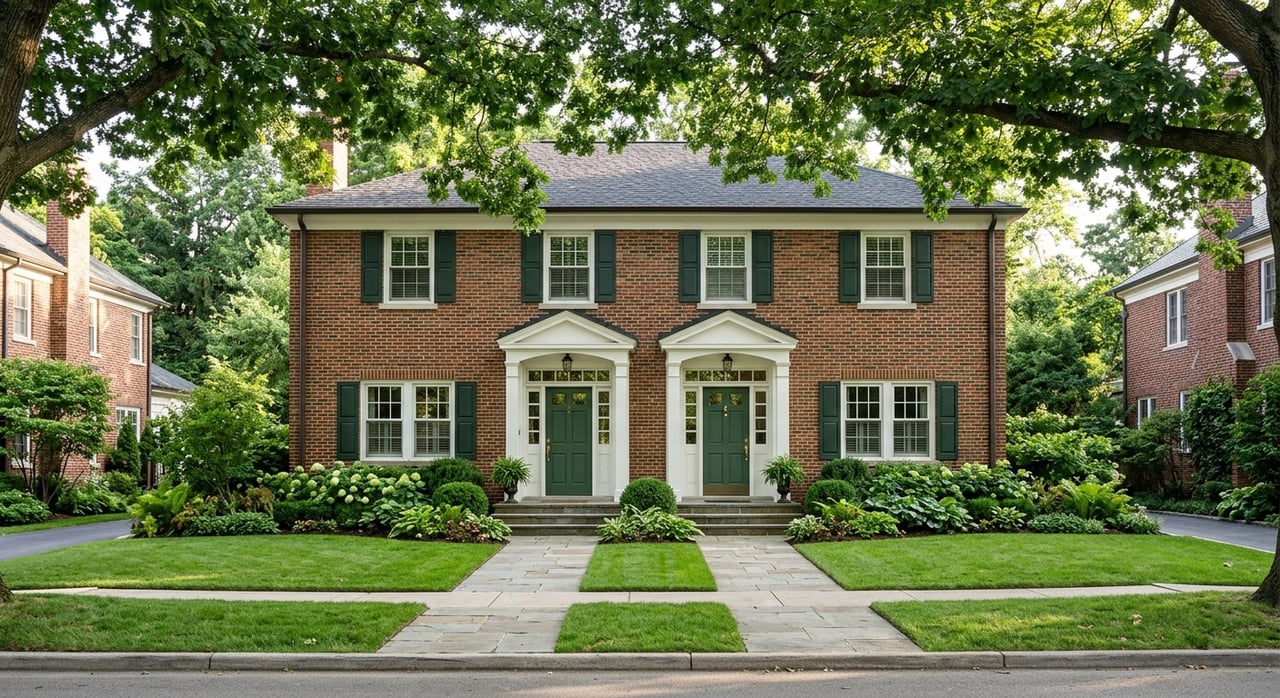
Small Multifamily Investing In Jenkintown And Nearby Suburbs
Are you thinking about buying a duplex or small rental property near Philadelphia, but want a market that feels manageable instead of overwhelming? Jenkintown and the nearby Montgomery County suburbs can appeal to small investors because they combine walkability, transit access, and an existing base of compact rental housing. If you want to understand where the real opportunities may be, what local rules matter, and how to think about a smart buy-to-rent plan, this guide will help you get grounded before you make a move. Let’s dive in.
Jenkintown is a small borough, but it offers features that many investors look for in a rental market. The borough’s comprehensive planning emphasizes walkability, a pedestrian-oriented downtown, and access to the region by both public transit and car. Those qualities can support ongoing demand for smaller rental housing options.
For a buyer or house hacker, that matters because location convenience often shapes renter interest. In a place where residents can access downtown amenities and regional transportation, compact units can fit the lifestyle needs of commuters, singles, couples, and downsizers. That creates a different profile than a purely detached-home suburb.
Current Zillow asking-rent data places Jenkintown at an average of $1,582 across bedroom counts and property types, with a reported range from $625 to $5,250 and 20 active rentals as of May 6, 2026. Nearby markets sit in a similar range, including Abington Township at $1,552, Cheltenham at $1,450, Glenside at $1,720, and Rockledge at $1,425. Montgomery County’s Census QuickFacts median gross rent for 2020 to 2024 is $1,683.
The big takeaway is not that every unit will rent at the same level. It is that Jenkintown and nearby suburbs appear to sit in a relatively consistent rent band, which can help you build a more grounded pro forma. Your actual rent potential will still depend on unit size, condition, layout, and exact location.
Jenkintown’s planning analysis shows rental vacancy falling from 7.3% in 1990 to 2.6% in 2000. A 2020 census summary reported 5.2% rental vacancy and 0.4% homeowner vacancy. While those figures come from different periods and are not directly comparable, they still point to a relatively small and constrained housing market.
For you as an investor, that usually means you should underwrite carefully rather than assume endless supply or easy replacement options. Tight inventory can support demand, but it also means the right property may take time to find. Patience and local due diligence matter.
Jenkintown is not a market where every block is filled with large apartment buildings. Planning documents describe a mix that includes larger multifamily complexes near the train station, while singles and twins are common in other areas. In Uptown, you may also find rowhomes and apartments above storefronts.
That mix is useful for small investors because it shows the borough already has a long-standing pattern of compact rental housing. In other words, small-density rental is part of the local housing fabric. You are not trying to force an entirely new use into a market that has never supported it.
If you are targeting a first investment or a house-hack setup, the cleanest opportunities are often:
Jenkintown’s zoning code defines a duplex as a two-family detached dwelling. It defines an apartment building as a building with three or more dwelling units rented from a common owner. Those definitions help clarify what product types are actually recognized under local rules.
One of the most important details in Jenkintown is that the zoning code prohibits converting single-family dwellings into multi-family dwelling units in the TR overlay governing the A, B, B-1, C, and C-1 residential districts. That means you should not assume you can buy a single-family home and simply turn it into a duplex or triplex.
This is where many small investors can get into trouble if they rely on guesswork. A property that looks like it has extra space may not have the legal path you expect. In Jenkintown, existing legal multifamily properties are often the more straightforward route.
The Town Center district adds another layer of opportunity. In that district, apartments are allowed on the second floor and above by right, and apartment buildings are conditional uses if they include ground-floor walk-in office or retail space. That means some small multifamily plays may appear in downtown-style or mixed-use buildings rather than on a typical residential block.
If you are open to a property with both commercial and residential components, that can expand your search. It can also add complexity, so parcel-level review becomes even more important before you commit.
Jenkintown maintains its own zoning code and zoning map. For you, that means every property needs to be reviewed on its own merits before you underwrite a duplex, mixed-use, or small apartment strategy. District rules, overlay requirements, and existing use status can all affect what is realistic.
The borough also routes residential infill through contextual design standards. That reinforces the need to verify what is already permitted and what approvals may be required. In a market like this, the best deals are not just about price. They are about legal clarity.
If you plan to operate a rental property in Jenkintown, the borough requires an annual rental license under Ordinance 142-1. The fee is $25 per rental property. The registration form asks for the property owner, rental unit count, tenant names, and, if applicable, the rental agency and agent managing the property.
The borough’s FAQ also states that owners must first complete a Zoning and Use Permit Application before operating a rental property. That means your acquisition plan should include more than financing and closing. You also need to account for permitting, registration, and operational setup.
For a small investor, organization can be just as important as acquisition. Jenkintown’s rental registration process requires current records and annual renewals, so having management support can make the ownership experience more streamlined. This is especially helpful if you are balancing another job, living outside the immediate area, or buying your first rental.
That is where a smooth handoff from acquisition to leasing and property management can save time and reduce friction. Instead of treating closing as the finish line, you can approach the property as an operating asset from day one.
If your search expands beyond Jenkintown itself, nearby Montgomery County suburbs may offer similar rent patterns with slightly different housing stock and pricing. Zillow snapshots show asking-rent averages in a fairly close range across Abington Township, Cheltenham, Glenside, and Rockledge. That gives you a broader field if inventory in Jenkintown feels limited.
For many buyers, that flexibility is important. You may start with one target town, then realize the strongest fit is a nearby property with better unit layout, easier compliance, or cleaner numbers. A neighborhood-first search often produces better long-term decisions than forcing one ZIP code.
Because current asking rents in Jenkintown and nearby suburbs cluster roughly in the mid-$1,400s to low-$1,700s, conservative underwriting is the safer approach. Rather than projecting aggressive rent jumps, it makes sense to focus on realistic rents, likely vacancy loss, and the property’s actual condition. Unit mix also matters more than many first-time investors expect.
A practical underwriting checklist should include:
This kind of discipline helps you avoid buying based on best-case assumptions. In a smaller, supply-constrained market, solid execution usually matters more than flashy projections.
If you want to live in one unit and rent another, Jenkintown can still be appealing, but the same rule applies: target existing legal setups. A true duplex or legal two-family property is usually the clearest path. Trying to create a new multifamily use from a single-family home may not be allowed under the local code.
That makes property selection especially important. The right house hack is not just a building with extra rooms. It is a property with a legal structure that matches your plan from the start.
The most practical strategy in Jenkintown and nearby suburbs is usually simple. Look for existing duplexes, legal multifamily buildings, or mixed-use properties where residential use is already established and local rules are clear. Pair that with realistic rent assumptions and a plan for leasing and ongoing management.
This market’s appeal is not only about chasing yield. It is about buying in a walkable, transit-connected area with an existing pattern of small-scale rental housing and a municipal framework that rewards careful due diligence. If you approach it thoughtfully, you can position yourself for a steadier and more manageable investment experience.
If you are exploring a duplex, house hack, or small buy-to-rent property in Jenkintown or nearby Pennsylvania suburbs, working with an advisor who understands both acquisition and the next operational steps can make a real difference. To talk through your goals and find a property that fits your strategy, schedule a free consultation with Romanna Dumyak.
Forget just finding a house, let's find your perfect spot! Whether it's killer schools, hidden foodie havens, or that close-knit community vibe, I know what each area offers. Let’s chat about your goals, find the right fit, and make your real estate journey a breeze.