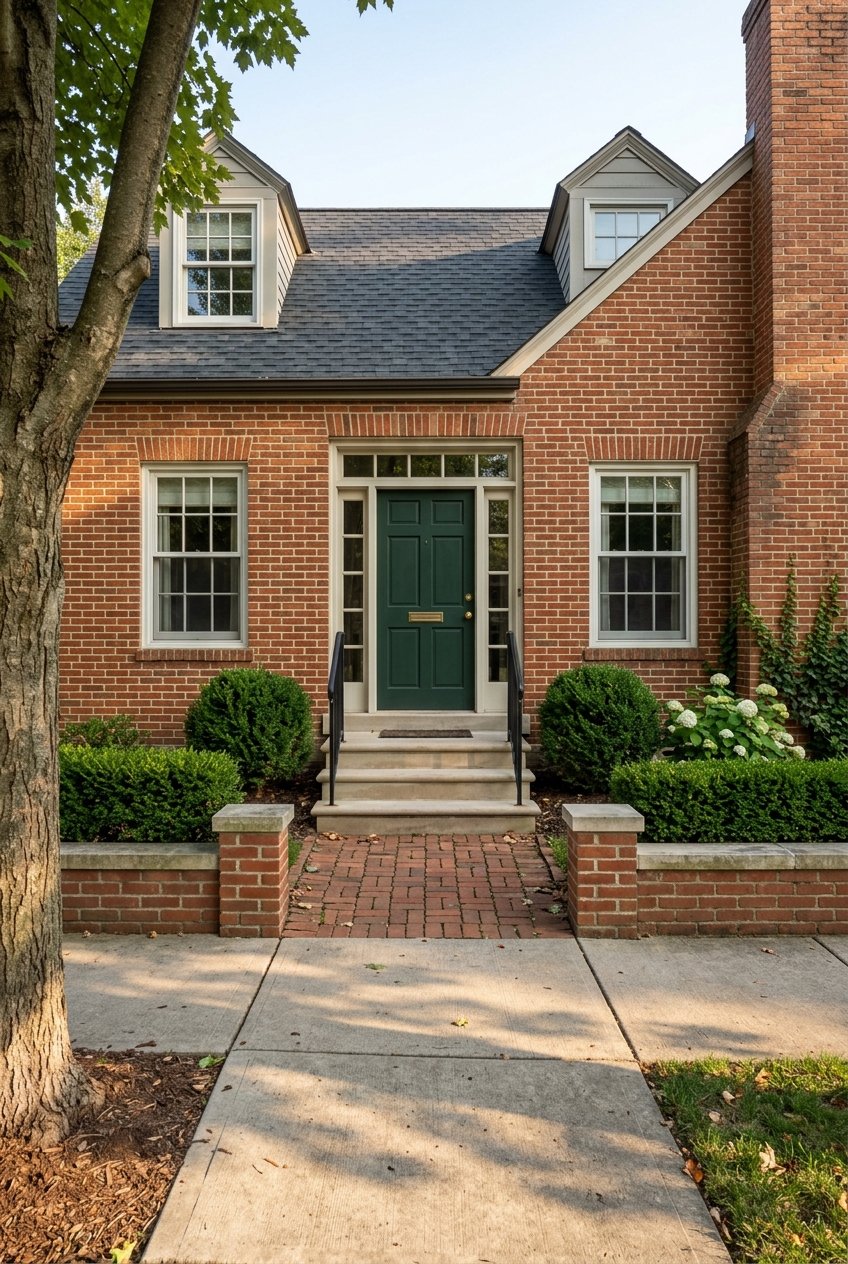
Media PA Home Buying Guide Near Downtown
Thinking about buying a home near downtown Media, PA? You are not alone. For many buyers, Media stands out because it offers a walkable borough feel, a lively main street, and strong transit access in a compact setting. If you want to understand what living near State Street really means, what kinds of homes you might find, and how prices can vary block by block, this guide will help you sort through the details. Let’s dive in.
Downtown Media has a very specific kind of appeal. Media Borough covers only about 0.76 square miles and had an estimated 5,920 residents in July 2025, which helps explain why it feels compact and connected rather than spread out.
The borough describes itself as “Everybody’s Hometown,” and that image fits the experience many buyers are looking for. Brick sidewalks, tree-shaded streets, and easy access to daily destinations all support a lifestyle where you can walk to shops, parks, the library, houses of worship, and local entertainment.
State Street is the center of that lifestyle. According to Media Borough, downtown includes 42 restaurants and pubs, 43 retail shops including Trader Joe’s, 8 banks, 35 offices and service firms, and the Media Theatre. Community events like Dining Under the Stars add to the appeal and make the downtown core feel active beyond standard business hours.
For you as a buyer, that means you are not just choosing a home. You are choosing how you want your day-to-day life to work.
One of the biggest things to understand is that not every home with a Media address offers the same downtown experience. In a compact borough, a few blocks can make a meaningful difference in how often you walk, how easy parking feels, and how convenient transit access is.
Media Borough says walkability is one of the strongest reasons people choose to live there. At the same time, the borough also notes that some sections still have sidewalk gaps. That means the exact location matters more than many buyers expect.
A home that looks close on a map may feel very different in person depending on the route to State Street, the sidewalk setup, and whether you can comfortably walk to transit, dining, or errands. If your goal is a true downtown lifestyle, it helps to judge each property by the block, not just the ZIP code.
Transit is one of Media’s strongest practical selling points. SEPTA’s Route 101 trolley runs from 69th Street Transit Center to Orange Street in Media, and SEPTA also lists Media Station at 309 Media Station Road on the Media/Wawa Line.
Media Borough notes that Media Station is roughly a 0.2-mile walk to points in Media West. For buyers who commute or simply want the option to leave the car at home, that kind of access can add real daily value.
This is one reason homes near the downtown core often attract strong interest. In many suburbs, you may get a nice neighborhood or decent transit, but not both working together as naturally as they do here.
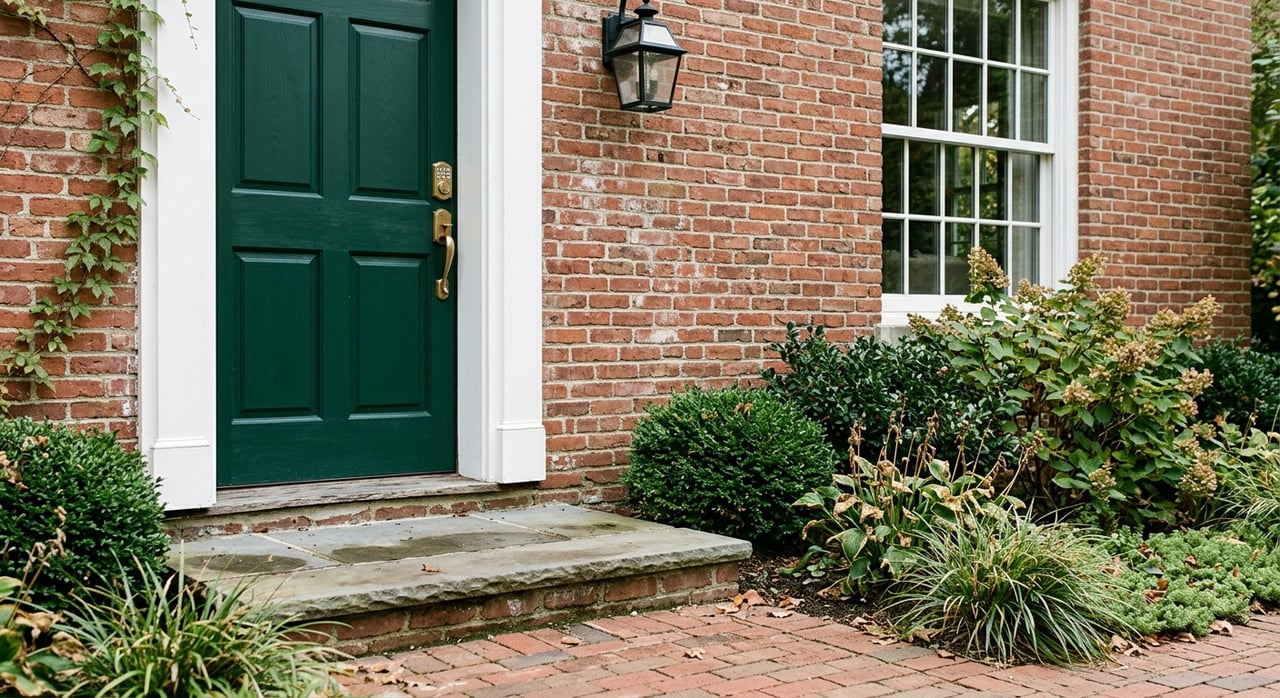
If you are picturing one standard home style, Media will likely surprise you. The borough’s planning materials describe a mix of multi-family units, apartment buildings, townhouses, and single-family houses, along with varied commercial and residential architecture.
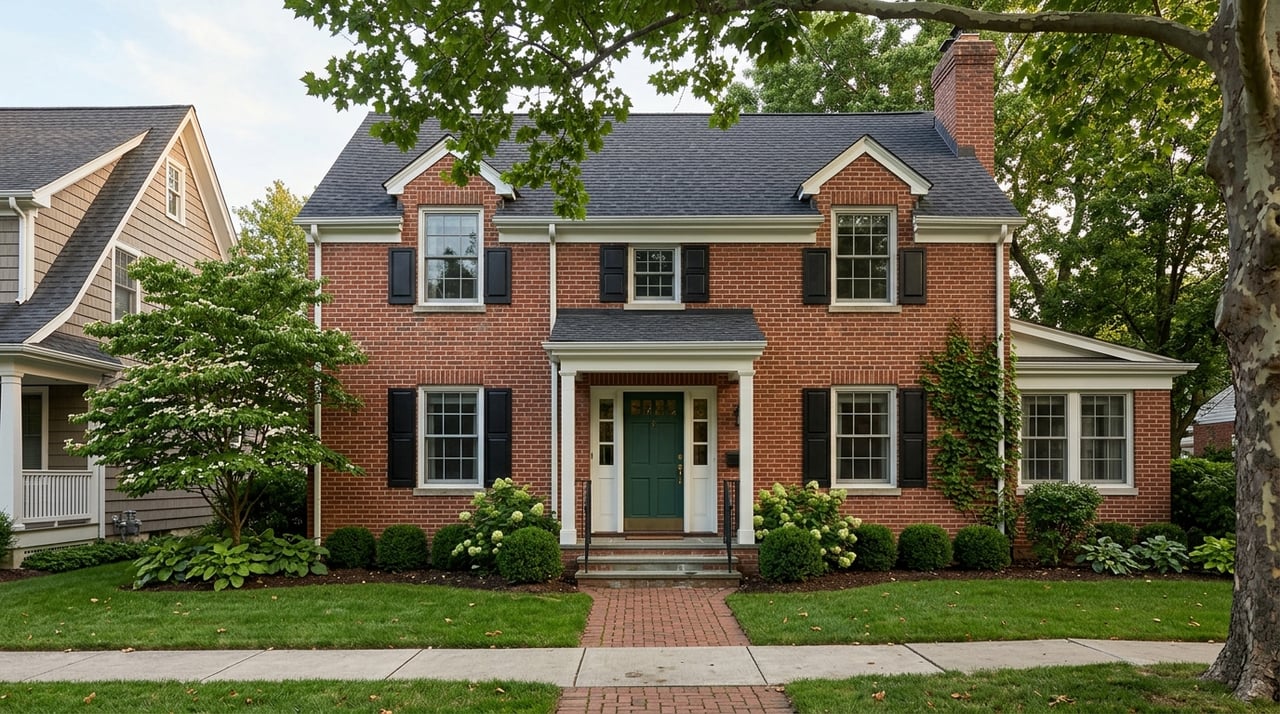
Near downtown, buyers should generally expect a combination of older twins and single-family homes, brick townhomes, condos or apartments, and a smaller number of newer infill townhomes. That variety is part of the charm, but it also means comparisons can get tricky.
You are not shopping in a uniform subdivision where every home was built around the same time. You are comparing homes with different layouts, updates, maintenance needs, parking setups, and lot sizes, often within a short distance of each other.
Media’s older housing stock plays a big role in its character. A borough planning document notes that between one-third and one-half of all housing units were built before 1939.
That history can be a plus if you love architectural detail and established streetscapes. It also means renovation quality matters a lot. Two homes with similar square footage can feel completely different depending on electrical updates, plumbing, windows, roof age, insulation, and overall upkeep.
When you tour older homes near downtown, it is smart to look beyond charm alone. Updated systems and thoughtful renovations can make a major difference in both comfort and long-term costs.
Media also includes some newer residential development. The borough planning document identifies projects such as West End Flats, a 162-unit apartment complex, and West End Walk, a 27-townhouse community.
For many buyers, newer townhomes stand out because they may offer features that are harder to find in older homes near the core. Things like garages, newer mechanical systems, and a more low-maintenance setup often appeal to people who want the downtown experience without the same level of upkeep.
If you are relocating, buying your first home, or trying to keep your routine simple, that tradeoff may be worth the higher price tag.
Pricing in Media can look confusing at first because different data sources measure different things. Recent market snapshots include a Zillow typical home value of $614,175 as of December 31, 2025, a Redfin city median sale price of $505,000 in March 2026, a Realtor.com median sale price of $749,000 in January 2026, and a Redfin 19063 median sale price of $620,000 in April 2026.
The best way to read those numbers is as a range, not a single answer. Modeled values, median sale prices, and ZIP-code data do not tell exactly the same story, especially in a market with varied housing types.
The Census Bureau adds another useful long-term reference point. In the 2020 to 2024 ACS, Media’s median owner-occupied home value was $467,800, and median monthly owner costs with a mortgage were $2,561. That is helpful for broader budgeting context, but not as a live pricing guide for active listings.
Recent homes help show how price changes based on product type and location:
The pattern is fairly clear. Homes closer to State Street, near transit, or with newer construction and off-street parking tend to command more. Homes farther from the core or with fewer convenience features often come in lower.
If you are trying to decide whether a listing is priced fairly, it helps to know what buyers usually pay more for in this part of Media. Location near the core is one factor, but it is not the only one.
Features that often support stronger pricing include:
In a place like Media, convenience can carry almost as much weight as square footage. That is why a smaller home in the right spot may compete well against a larger home farther out.
Downtown Media is appealing, but it is not the perfect fit for every buyer. The lifestyle tends to work best if you value a car-light routine, a compact main-street environment, and a commute-friendly location more than you value a large lot or a more traditional suburban layout.
Parking is one of the biggest practical issues to review closely. Media Borough manages downtown parking with meters and permits, and borough meters cost $1.50 per hour from 8 a.m. to 8 p.m. Monday through Saturday. State Street also has a special short-term zone.
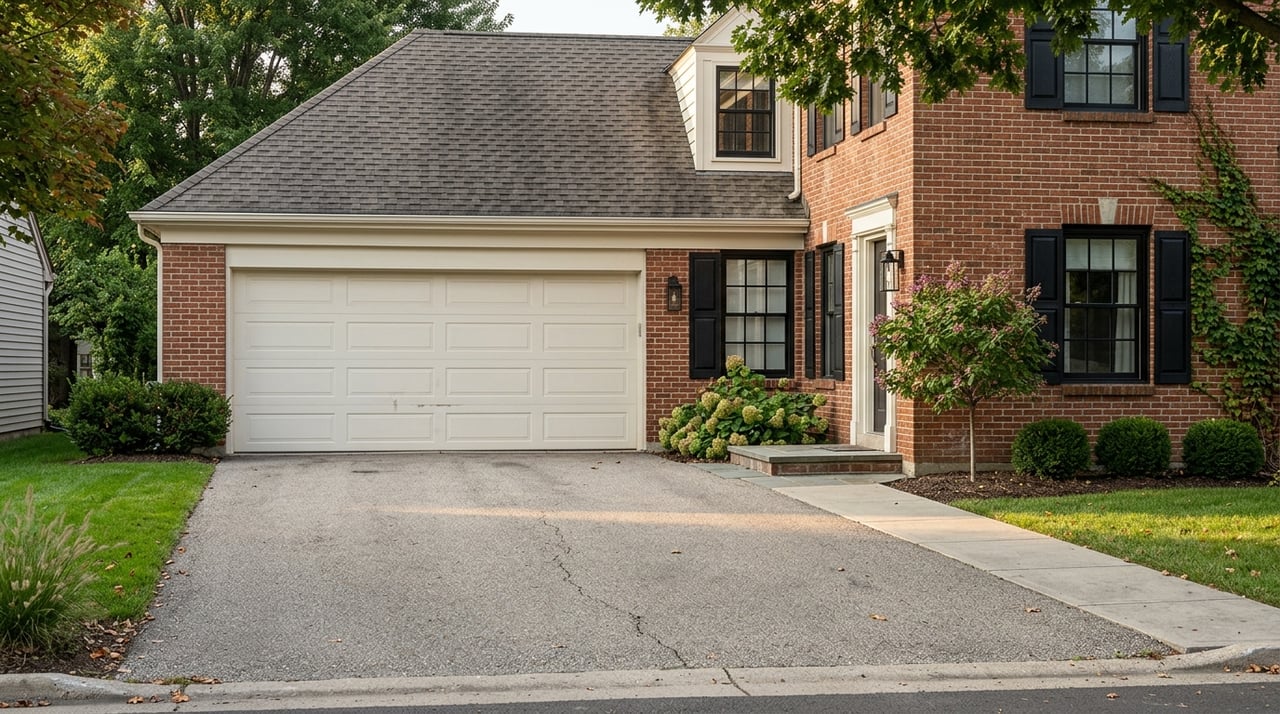
That does not mean parking is a dealbreaker. It does mean you should pay close attention to whether a home has a driveway, a garage, or a realistic parking routine that fits your lifestyle.
Media’s mean travel time to work was 25.0 minutes in the 2020 to 2024 ACS, which helps support its appeal for commuters. The borough also promotes taking SEPTA to popular downtown events to avoid parking hassles.
If you picture yourself walking to dinner, meeting friends on State Street, or using transit regularly, living near downtown can feel like a strong lifestyle upgrade. If you prefer quiet streets, larger yards, and easier everyday parking, you may want to compare homes a bit farther from the core.
When you buy in a neighborhood with mixed housing stock, older homes, and strong lifestyle appeal, a simple online search rarely tells the full story. You need to compare homes in a more practical way.
As you evaluate listings, focus on these questions:
Those answers usually tell you more than list price alone. In downtown Media, the right block and the right convenience package can matter just as much as the house itself.
For many buyers, yes. The biggest draw is not cheap square footage. It is the chance to live in a compact, amenity-rich borough where shops, restaurants, entertainment, and transit are woven into daily life.
That is why Media continues to stand out for first-time buyers, relocating professionals, and move-up buyers who want more than just a house. If your priorities include walkability, character, and a strong sense of place, buying near downtown Media may be a very smart move.
If you want help comparing blocks, property types, and lifestyle fit in Media, Romanna Dumyak can help you make a confident plan.
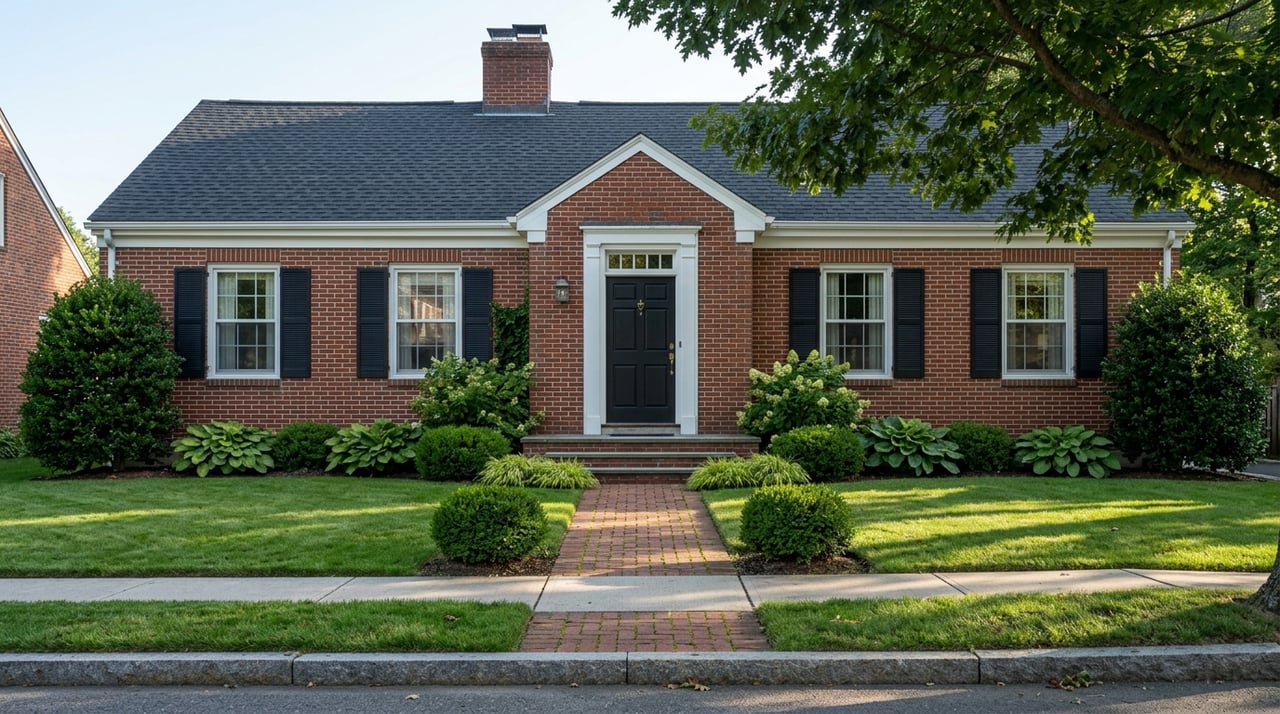
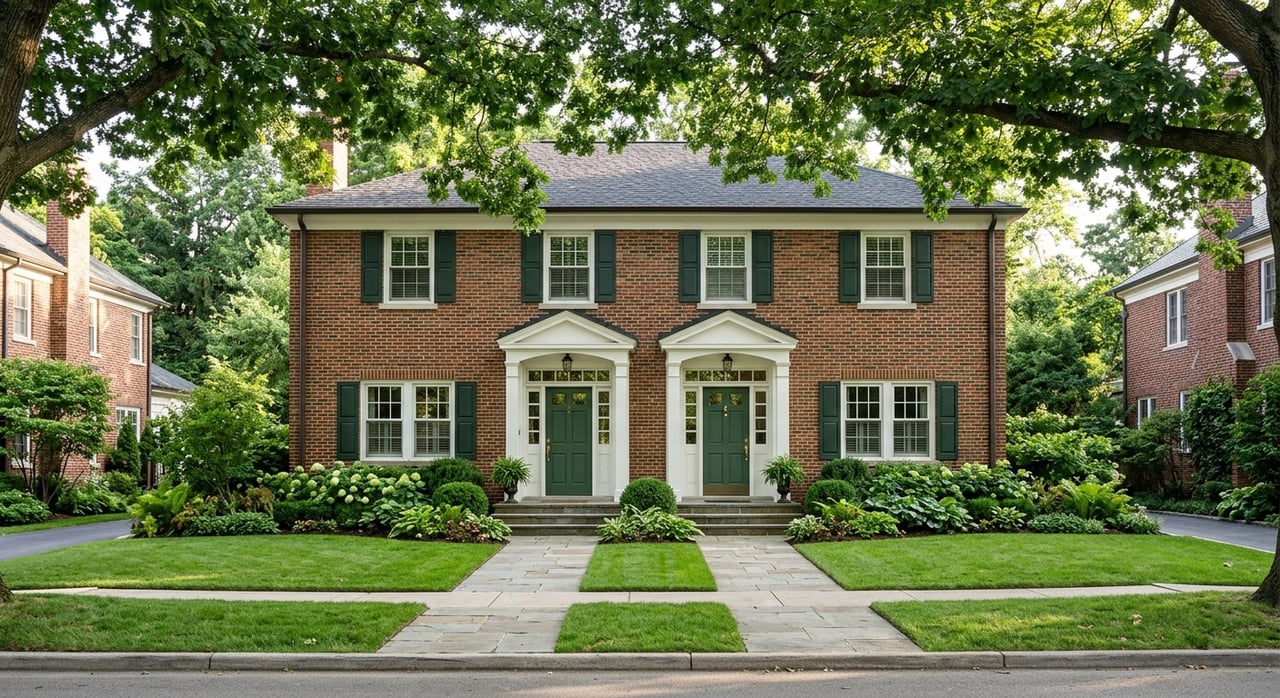
Forget just finding a house, let's find your perfect spot! Whether it's killer schools, hidden foodie havens, or that close-knit community vibe, I know what each area offers. Let’s chat about your goals, find the right fit, and make your real estate journey a breeze.