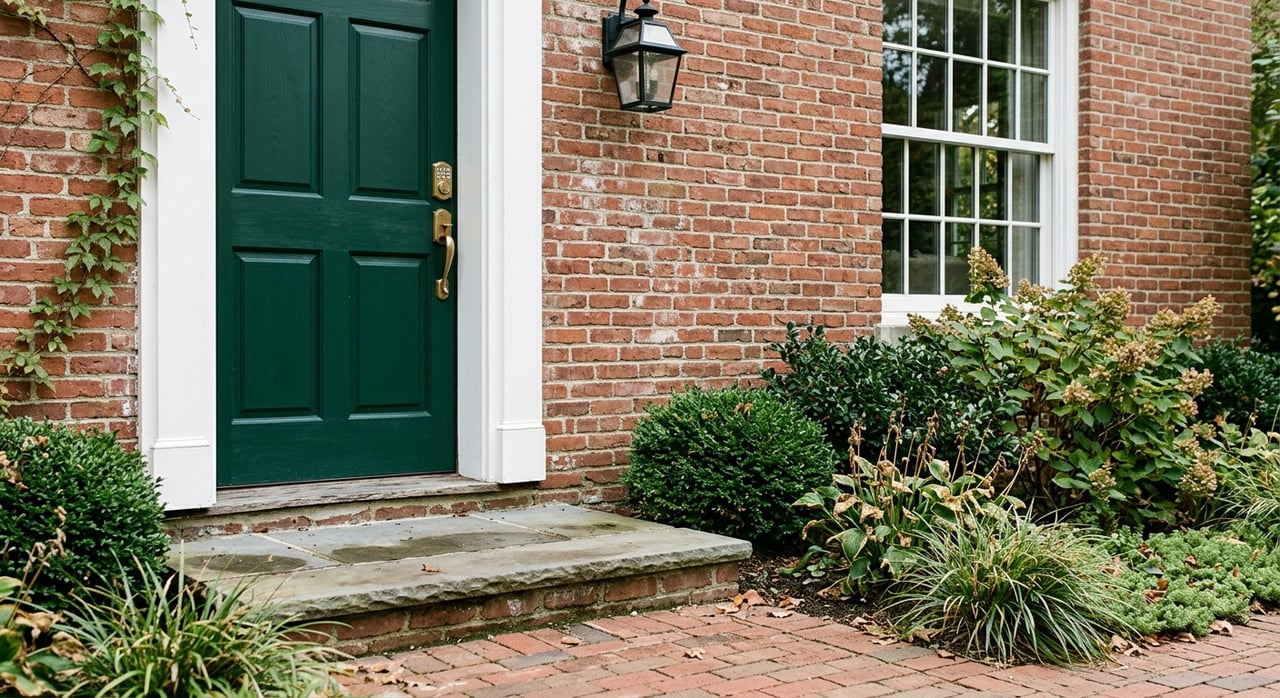
Turning Your Medford Home Into A Rental Property
Thinking about keeping your Medford home and renting it out instead of selling? That move can create long-term income, but it also comes with real pricing decisions, township requirements, and state landlord rules that are easy to overlook. If you want to turn your home into a rental the right way, this guide will walk you through what to expect in Medford Township and how to plan your next steps with confidence. Let’s dive in.
Before you list your home for rent, you need a realistic pricing strategy. In Medford Township, published rent data varies depending on the source, which is a good reminder that there is no one perfect number for every property.
Recent rental snapshots show average rent around $1,800 on Trulia, $1,927 on Apartments.com, and $2,027 on Zillow. Those same sources also show a wide rental range, from $742 to $6,000, which tells you just how much location, home type, size, and condition can affect price.
For homeowners converting a primary residence, the home type matters a lot. Trulia’s breakdown suggests apartments average about $1,530, while houses average about $3,461 and townhomes about $3,500. If you are renting out a single-family home in Medford, your likely rent position may sit well above the township-wide average.
That said, broad market snapshots should only be your starting point. The smartest approach is to compare your home to similar active and recently rented properties in Medford, especially homes with a similar bedroom count, lot size, updates, and overall condition.
Turning a home into a rental in Medford is not just about finding a tenant and signing a lease. The township has specific registration and inspection steps for 1- and 2-family residential rental properties.
Medford Township states that it has an annual inspection program for these rental buildings and premises. It also requires inspections at the time of a change of use, ownership, or tenancy, so if your home is becoming a rental for the first time, you should plan for that process early.
The township also requires a Landlord/Tenant Registration Form to be filed with the Township Clerk. According to the township fee ordinance, the landlord registration fee is $25 and is due within 20 days of any change in tenants or ownership.
If you need a change-of-ownership or change-of-tenant certificate, the township fee ordinance lists a $150 certificate of continued occupancy fee. Medford’s construction page also references an annual inspection fee of $200 for 1- and 2-family residential rental buildings and premises.
Because fees and timing matter, it is a good idea to confirm the current process before marketing the property. That can help you avoid delays between tenant approval and move-in.
One of the most important pre-rental steps in Medford is obtaining the Certificate of Smoke Detector and Carbon Monoxide Alarm Compliance, often called the CSDCMAC. Medford’s fire-prevention rules require this before an R-3 or R-4 structure is sold, leased, rented, or otherwise changes occupancy for residential use.
The township notes that the Fire Department performs this inspection. It also states that operating smoke detectors are required on every level and carbon-monoxide detectors must be installed near sleeping areas.
This is not something to leave for the last minute. The township fee schedule makes clear that the CSDCMAC fee depends on how far in advance you make the request, so scheduling early is the practical move.
If your Medford home was built before 1978, lead compliance needs to be on your checklist right away. Medford requires a Lead Safe Certificate from a licensed testing company for any 1- or 2-family residential rental property built before 1978.
New Jersey’s lead inspection law also applies to certain rental single-family, two-family, and multiple dwellings. The New Jersey Department of Community Affairs says these units must be inspected every three years, or upon tenant turnover if there is no valid lead-safe certification.
The state also says valid lead-safe certificates last two years. For many homeowners, that means lead compliance is not a one-time task. It is an ongoing part of owning and operating an older rental property.
Some Medford-area properties have private well or septic systems, and those homes may have extra items to review before a tenant moves in. Medford states that the Burlington County Health Department handles permitting and inspections for wells and septic systems.
The township also asks for a water-test report every five years if the property has a well. If your home is not on public water and sewer, this is worth checking early so it does not hold up your rental timeline.
A good rental launch starts with more than compliance. You also want the home to be safe, functional, clean, and ready for a tenant who expects a smooth move-in experience.
Focus on basic make-ready items such as repairs, paint touch-ups, cleaning, lighting, working appliances, and any deferred maintenance. If you plan to hire contractors, Medford notes that contractors working on residential construction projects must be registered with the New Jersey Division of Consumer Affairs.
Even small issues can become bigger problems once a tenant takes possession. Handling those items before marketing the property can protect your time, your lease-up timeline, and your ongoing maintenance budget.
Once your home becomes a rental, your responsibilities continue beyond the first lease signing. New Jersey requires landlords to provide the Truth in Renting guide to new tenants at or before lease execution, and also within 30 days after it is posted by the Department of Community Affairs.
That guide covers important topics such as lease agreements, rent collection, habitability, evictions, and security deposits. For many first-time landlords, this is one of the clearest starting points for understanding what you need to provide and maintain.
New Jersey also recognizes a tenant’s right to safe, sanitary, and decent housing. In simple terms, you need to keep the property fit for residential use throughout the lease term, not just on move-in day.
Another point many owners miss is access. The state’s Truth in Renting guide says that, in general, a landlord does not have the right to enter a residential rental without the tenant’s consent or a Superior Court judgment. That makes clear lease language and respectful communication especially important.
Security deposit rules in New Jersey are specific, and they matter from day one. State law says the deposit must be held in trust and cannot be mixed with your personal funds.
The law also requires written notice of where the deposit is being held within 30 days of receiving it. The deposit amount is capped at 1.5 times one month’s rent.
At the end of the lease, the landlord generally must return the deposit, plus any interest or earnings and less lawful deductions, within 30 days. If you are converting your home into a rental for the first time, getting this process set up correctly from the start can save you major headaches later.
Tenant screening matters, but it needs to be done lawfully and consistently. New Jersey’s Law Against Discrimination prohibits rental discrimination based on protected classes and also based on source of lawful income or source of lawful rent payment, including Housing Choice Voucher assistance.
That means your screening process should focus on neutral, lawful criteria that you apply consistently to every applicant. Clear standards, documented procedures, and fair treatment help reduce risk and create a more professional rental process.
Some homeowners are comfortable handling rent collection, maintenance calls, inspections, and tenant communication themselves. Others quickly realize that owning a rental and managing a rental are two different jobs.
In Medford, the compliance steps alone can be a lot to track. Between township registration, annual rental inspections, fire certification, lead requirements for pre-1978 homes, deposit handling, and ongoing maintenance duties, self-management can become difficult, especially if you are relocating or living far from the property.
That is where a property-management handoff can make sense. If you want continuity from listing to lease-up to ongoing oversight, having support in place can make the rental feel much more manageable.
If you want a practical order of operations, here is a straightforward way to approach the process:
Following a clear sequence can help you move from homeowner to landlord with fewer surprises.
If you are weighing whether to rent out your Medford home, the biggest advantage is often flexibility. You may be able to hold onto a property you like, generate income, and keep future options open. The key is making sure your pricing, compliance, and management plan are all solid before the first tenant moves in.
If you want help evaluating your home’s rental potential and planning the next step, Romanna Dumyak can help you move from sell-or-rent questions to a clear leasing and property-management strategy.
Forget just finding a house, let's find your perfect spot! Whether it's killer schools, hidden foodie havens, or that close-knit community vibe, I know what each area offers. Let’s chat about your goals, find the right fit, and make your real estate journey a breeze.