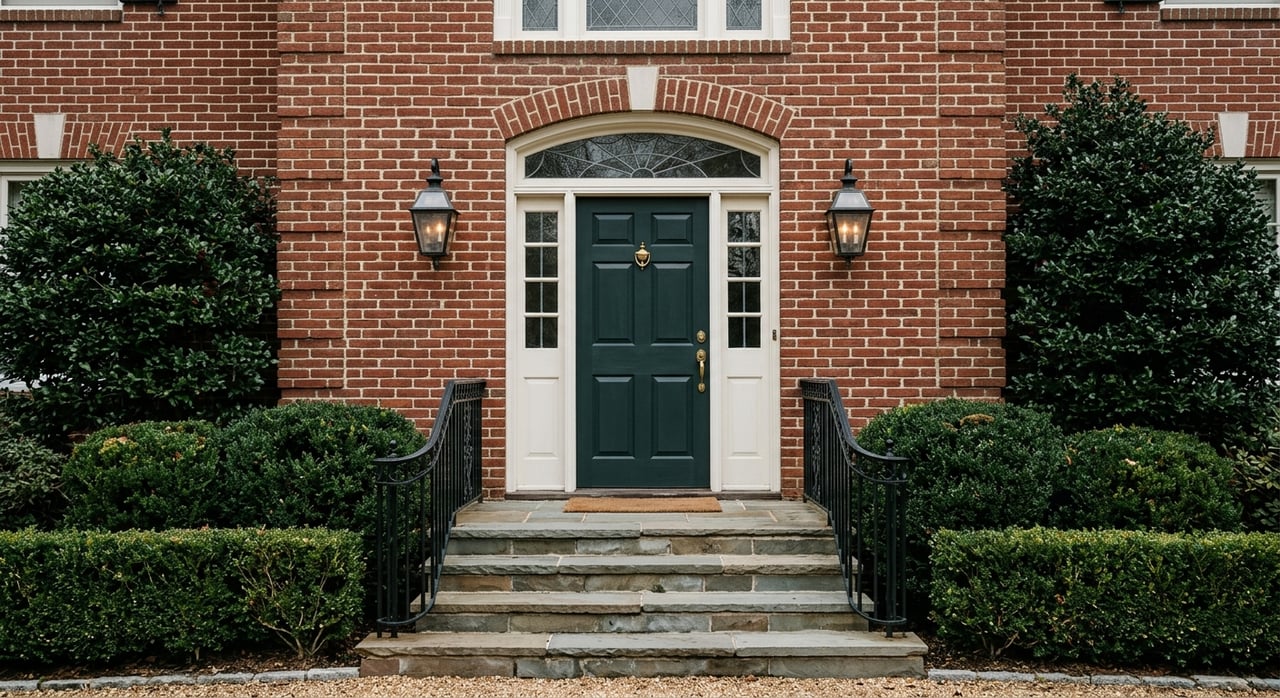
Selling A Historic Home In Haddonfield NJ
Selling a historic home in Haddonfield can feel exciting and a little intimidating at the same time. You are not just selling square footage and updates. You are also presenting architectural character, local history, and a property that may come with special review rules. The good news is that with the right preparation, you can protect value, avoid delays, and help buyers feel confident from day one. Let’s dive in.
Haddonfield regulates much of its older housing through a Historic District overlay. The borough code applies these rules within the historic area and also to certain separately designated landmarks outside the main district. That means a home does not need to sit inside the core district to still be subject to historic review.
For you as a seller, that matters because a historic home is marketed differently than a standard resale. In Haddonfield, period features are part of the asset. The borough’s preservation goals focus on safeguarding historic architecture, maintaining property values, and encouraging compatible change instead of wholesale replacement.
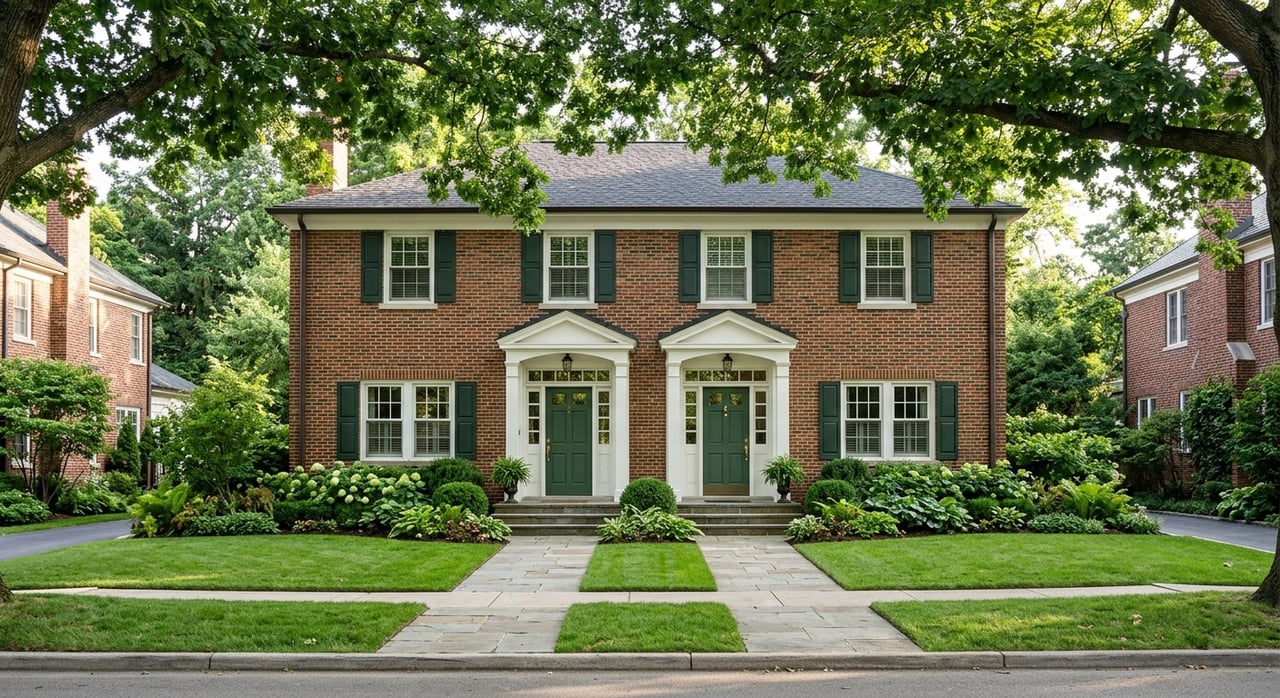
The architectural range is broad. The borough’s catalog includes Simple Colonial and Georgian buildings from the 1700s, along with Victorian, Late Victorian, Georgian Revival, and 20th-century structures. That variety helps explain why buyers in Haddonfield often pay close attention to original details and how those details have been maintained.
Before you list, confirm whether your property is part of the Historic District or designated as a historic landmark. This is one of the first questions serious buyers may ask, and it affects how you prepare the home for market.
It also affects your disclosure duties. If the property is designated as part of the Historic District or as a historic landmark, the seller must provide prospective purchasers with borough-prepared information about exterior alterations and construction standards. The seller must also obtain signatures showing the information was delivered, and this must be completed by the time the contract is signed.
The ordinance states that this disclosure is not required for buildings constructed after 1978. If your home is older, it is smart to verify the designation early so there are no surprises during negotiations.
One of the biggest mistakes sellers make is assuming any pre-listing improvement can start right away. In Haddonfield, many exterior and site changes require a certificate of appropriateness before work begins.
That review can apply to demolition, additions, exterior alterations or replacements that change appearance, new construction, signs, lighting, fences, paving, driveways, walkways, site plans, subdivisions, and some zoning variances. If your planned work is visible from the outside, confirm whether approval is needed before hiring contractors.
Because the Historic District is an overlay zone, the underlying zoning rules still apply too. In other words, historic review does not replace zoning requirements. Both may affect your timeline.
Not every repair requires formal approval. Haddonfield’s code exempts many ordinary maintenance items when the work is truly in-kind.
Examples often exempt include:
This matters if you want to freshen the home before it hits the market. Exterior painting is specifically identified as not requiring a certificate of appropriateness, which can make it one of the simpler ways to improve presentation.
When selling a historic home, cosmetic upgrades should not come before core maintenance. The borough’s maintenance provisions make clear where neglected conditions can become a problem.
Start with the essentials. Pay close attention to facades, foundations, floors, roof supports, waterproofing, broken windows or doors, and protective exterior surfaces such as paint.
A smart repair order often looks like this:
That order helps you protect the structure first, which is especially important in a home where deferred maintenance can raise buyer concerns quickly.
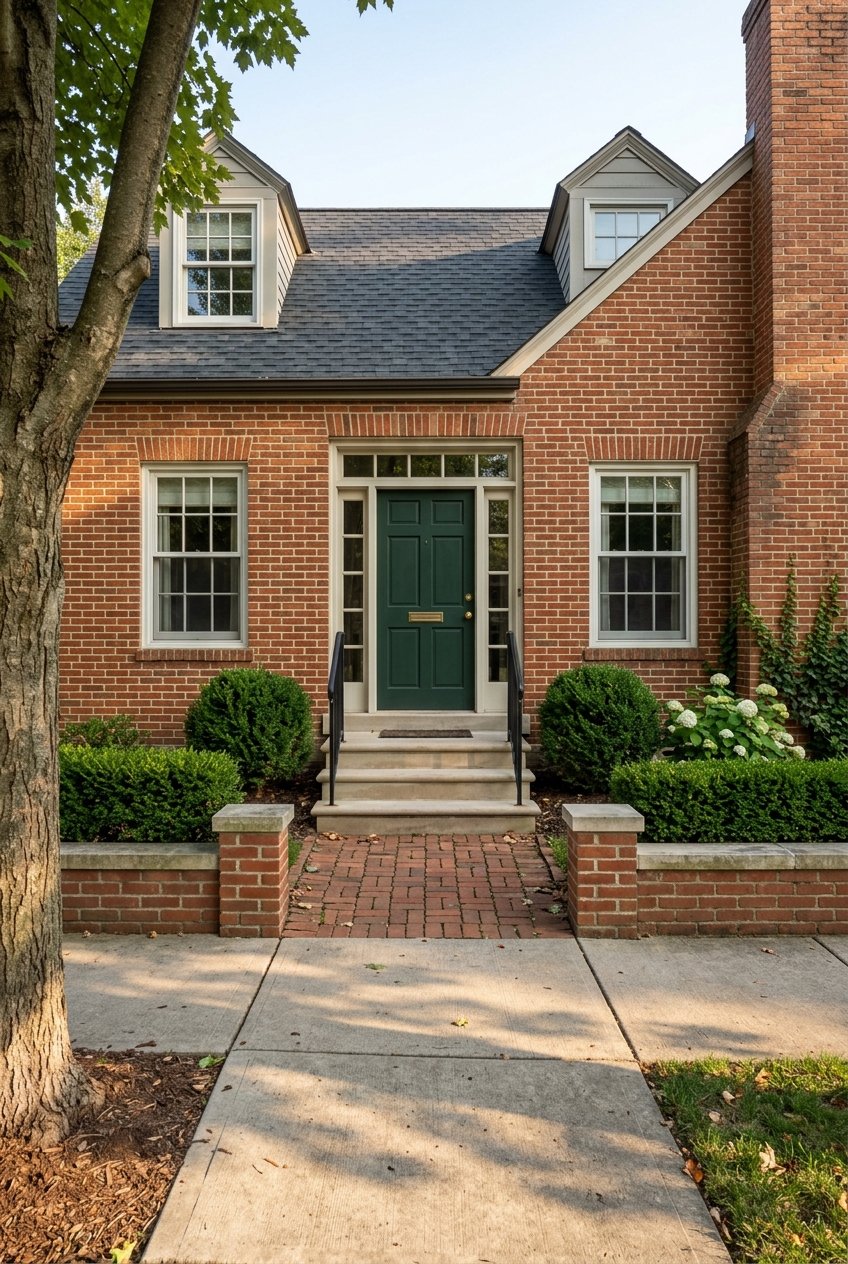
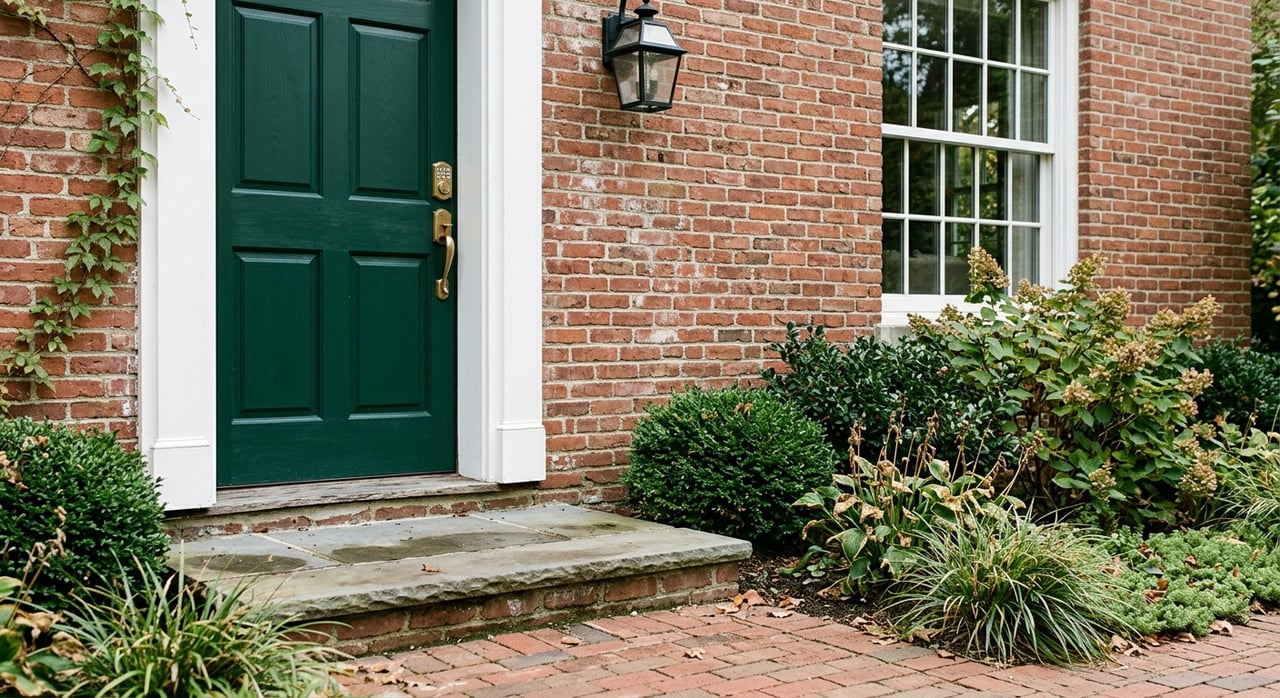
In Haddonfield, historic value is often tied to what makes the home feel authentic. Original trim, porches, masonry, staircases, built-ins, and period proportions can all help a buyer connect with the property.
That does not mean the home has to feel outdated. It means presentation should let the architecture shine. Careful cleaning, repaired finishes, and simple staging can make the home feel fresh without covering up the details that make it special.
If you have already completed thoughtful restoration work, make that part of the story. Buyers often respond well when they see that charm has been preserved responsibly rather than removed for quick cosmetic trends.
Documentation can be a major confidence builder. In a market like Haddonfield, buyers may move quickly, but they still want reassurance that a historic property has been cared for properly.
A strong listing package can include:
This kind of preparation can make a real difference. It helps buyers understand what has been updated, what was repaired in-kind, and whether any visible work followed local rules.
Historic homes often carry deep personal value. Still, pricing should reflect current market conditions, not just the time and care you have invested.
Recent 2026 data show Haddonfield remains a high-price market, though the exact numbers vary by source. One source reported a median sale price of $879,474 for the three months ending in May 2026 and a median of 20 days to sell. Another reported a median sold price of $825,000, a median listing price of about $1.10 million, 66 homes for sale, a median of 24 days on market, and a sale-to-list ratio of 100% in May 2026. A third reported a typical home value of $861,569, a median list price of $938,000, and homes going pending in about 9 days as of May 31, 2026.
These differences are normal because the platforms track different metrics and timeframes. The bigger takeaway is that Haddonfield homes are still moving, but buyers are paying attention to price and presentation. For a historic home, condition, documentation, and approvals can all influence how comfortable a buyer feels making a strong offer.
Historic home buyers usually ask practical questions, not just aesthetic ones. The more clearly you answer them upfront, the stronger your listing can feel.
Be ready to address questions such as:
When buyers get clear answers early, they are less likely to hesitate later. That can support smoother showings, stronger offers, and fewer surprises once a contract is in place.
If you are unsure about materials, design details, or whether planned work needs review, Haddonfield’s Historic Preservation Commission can provide technical help. The ordinance notes that the commission may assist owners with preservation, restoration, rehabilitation, materials, fenestration, architectural detail, environment, and color.
That kind of local guidance can be useful before you list. A short check now may save time later, especially if you are debating visible exterior changes in the final stretch before going to market.
Selling a historic home in Haddonfield is about more than curb appeal. You need the right mix of preparation, pricing, paperwork, and respect for the property’s architectural character.
When you approach the sale thoughtfully, your home’s age and detail can become strengths instead of complications. If you want guidance on positioning your Haddonfield home for today’s market, connect with Romanna Dumyak for a free consultation.
Forget just finding a house, let's find your perfect spot! Whether it's killer schools, hidden foodie havens, or that close-knit community vibe, I know what each area offers. Let’s chat about your goals, find the right fit, and make your real estate journey a breeze.