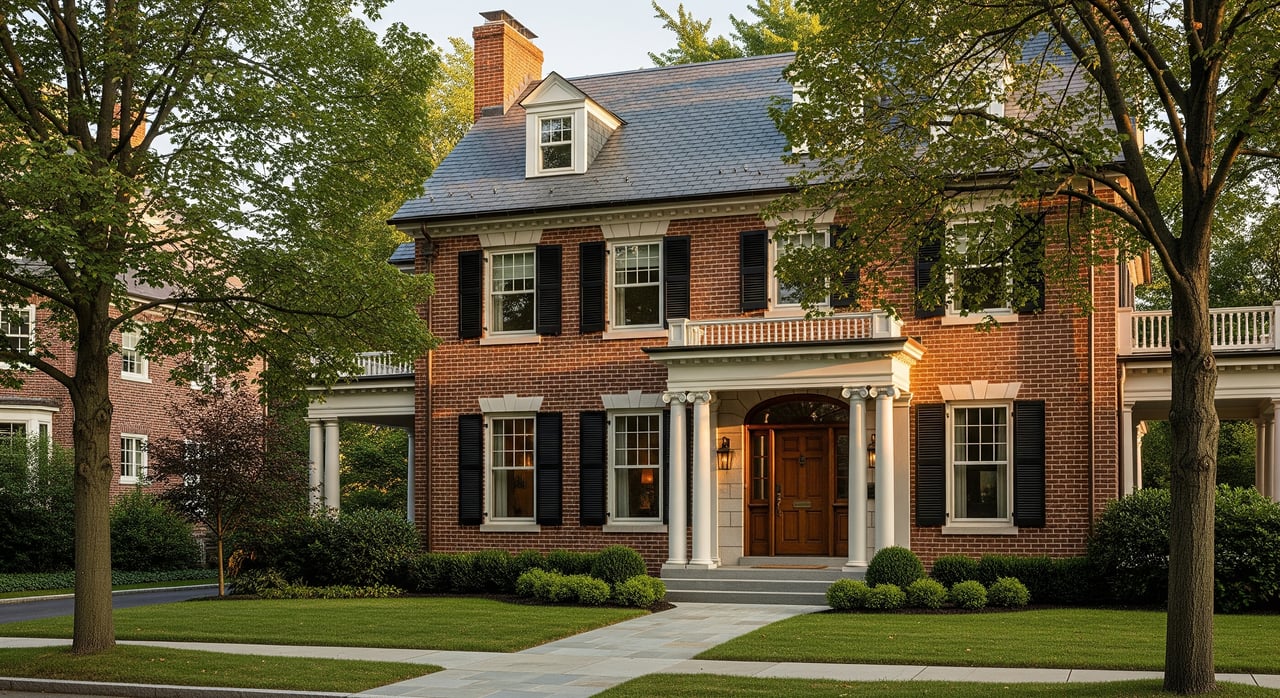
Seller Concessions in Media, PA: A Buyer’s Guide
Trying to stretch your homebuying budget in Media without draining your savings at closing? Seller concessions can help you cover closing costs or even buy down your interest rate when used correctly. If you are weighing options across Media and Delaware County, you want clear rules and smart strategies so you do not run into lender or appraisal issues. This guide walks you through the limits by loan type, what works locally, and how to negotiate from a position of strength. Let’s dive in.
Seller concessions, also called seller credits, are amounts a seller agrees to pay on your behalf at closing. You can apply them to closing costs, prepaid items like taxes and insurance, discount points for a rate buy‑down, and sometimes lender‑required repairs as a credit on the Closing Disclosure.
Concessions lower your out‑of‑pocket amount due at closing. They do not increase your loan size beyond program limits. They are also not the same as a price reduction, even though both change the net result. Lenders and appraisers review credits differently than price drops during underwriting.
You cannot use seller concessions for your required down payment. Down payment funds must follow each program’s gift and sourcing rules. All concessions must be disclosed on your Closing Disclosure and reduce the seller’s net proceeds.
Loan programs cap how much a seller can contribute. Always confirm current limits with your lender, since lenders can add stricter overlays.
Conventional loans (Fannie Mae and Freddie Mac):
FHA loans: Up to 6 percent of the lesser of the purchase price or appraised value. Allowed uses include closing costs, prepaid items, discount points, and reasonable costs. The seller cannot fund your down payment.
VA loans: Sellers can pay customary closing costs and certain concessions, commonly capped around 4 percent of the purchase price or reasonable value for items like prepaids and temporary buydowns. The seller cannot pay the VA funding fee.
USDA loans: Seller concessions commonly allowed up to 6 percent of the purchase price for closing costs and prepaids. Check your lender’s overlays.
Assistance programs: State and local down payment assistance options have their own rules for acceptable funds. Many prohibit the seller as a donor for down payment gifts.
Here are two simplified examples to show how credits work. Your actual numbers will vary based on your loan, taxes, insurance, and escrow needs. Run scenarios with your lender and title company early.
Why concessions may not zero out your cash needs:
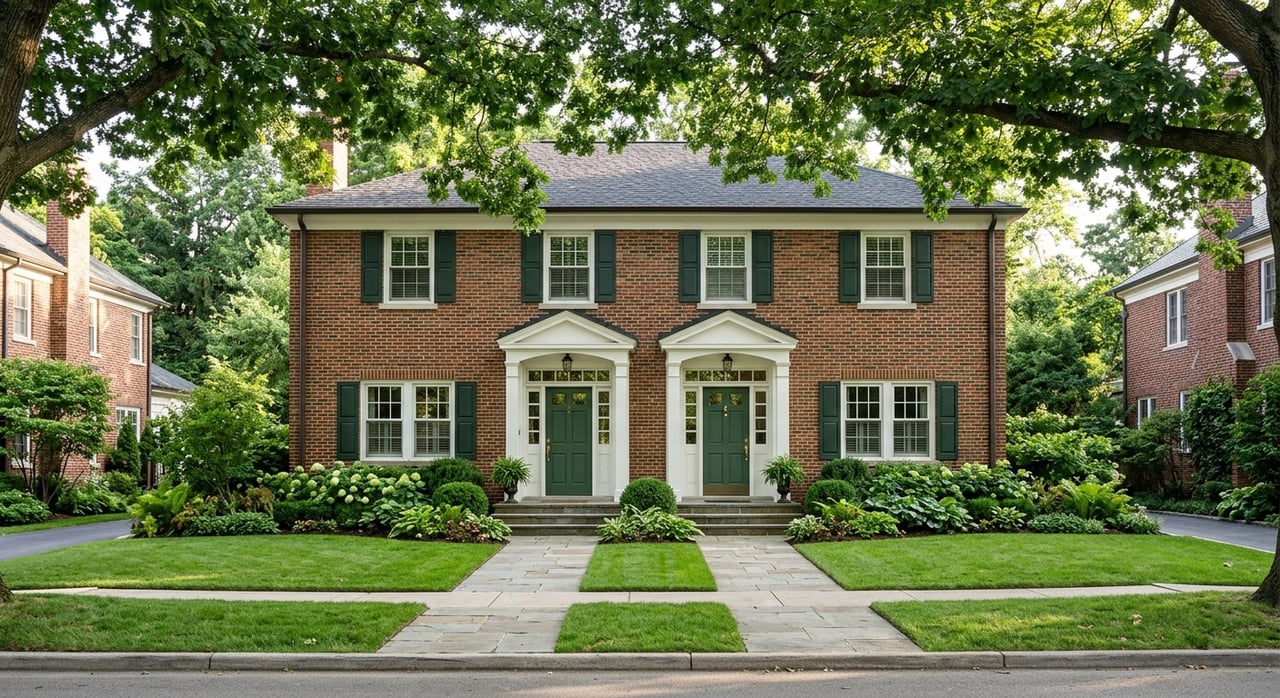
Media and nearby Delaware County neighborhoods include older single‑family homes, twins, rowhomes, and some newer subdivisions. Homes that need updates or have age‑related items often lead to credit requests for repairs or closing costs. Builders and developers sometimes offer incentives such as closing cost credits or temporary rate buydowns on new homes.
Market conditions matter. In a hot sellers’ market, concessions are less common and may weaken your offer compared with a clean, no‑credit offer. In a balanced or cooler market, concessions are more common and can help you secure a better payment without forcing a list price cut. Your agent can review recent comparable sales in Media and nearby townships to see if credits have been typical in the last 30 to 90 days.
Tailor your approach to the market and the property.
In a competitive market:
In a balanced or buyer’s market:
Understand tradeoffs:
Use clear contract language so your lender and title company can apply the credit correctly. Consider language like: “Seller to credit $X at closing toward buyer’s closing costs, prepaid items, discount points, and lender‑required repairs, subject to lender program limits.”
Avoid vague promises such as “seller to pay repairs” unless the seller will complete the work before closing with specific standards and timelines. If repairs are time‑sensitive for loan approval, discuss whether a closing credit for lender‑required items is acceptable to the lender. Share your plan with your lender early so your Loan Estimate and Closing Disclosure show the credit.
Lenders and appraisers will review your deal to protect against inflated prices and to confirm compliance.
Use this simple plan to stay organized and avoid surprises.
Seller concessions can be a powerful tool in Media to reduce your upfront cash and improve your long‑term payment, especially when used for closing costs or a strategic rate buy‑down. The key is staying within loan program limits, writing clear offer terms, and matching your ask to local market conditions. With the right plan, you can protect your financing and still get to the closing table with confidence.
If you want a clear game plan tailored to Media and Delaware County, let’s talk. I can coordinate with your lender, help you read the local comps, and write strong, compliant offer language. Connect with Romanna Dumyak to schedule a free consultation and map your next steps.




Forget just finding a house, let's find your perfect spot! Whether it's killer schools, hidden foodie havens, or that close-knit community vibe, I know what each area offers. Let’s chat about your goals, find the right fit, and make your real estate journey a breeze.