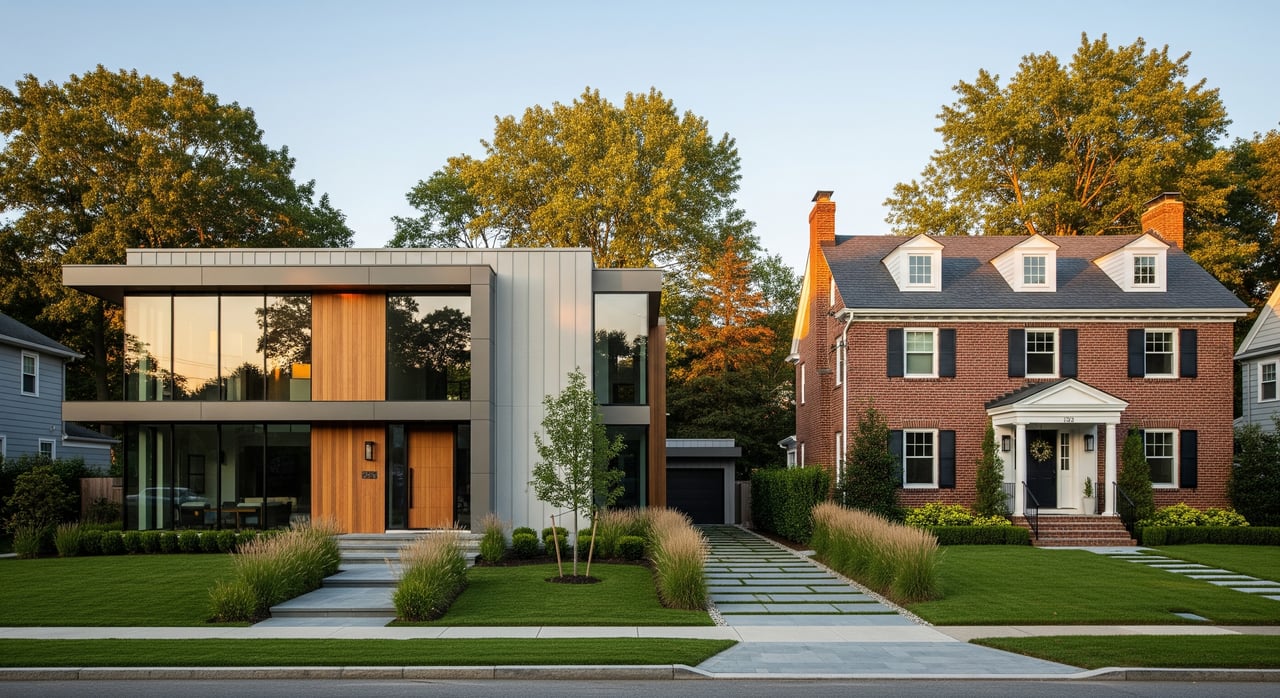
New Construction vs Resale Homes in Mount Laurel
Torn between a shiny new build and a well‑loved resale home in Mount Laurel? You’re not alone. Many buyers in Burlington and Camden counties weigh the same choice while juggling timing, budget, schools, and lifestyle. In this guide, you’ll learn the real differences in cost, timeline, warranties, HOAs, contracts, and local due diligence so you can choose with confidence. Let’s dive in.
Both paths can work well. The right choice depends on your priorities and timeline.
A builder’s base price rarely equals your final price. Lot premiums, structural changes, and finish upgrades can add 5 to 20 percent or more, depending on your selections. This is common across the industry, as noted by NAHB and Consumer Reports.
Resale pricing is more straightforward, but you should budget for inspection findings or updates. Think about roof age, major systems, and cosmetic refreshes. A well‑kept resale might still beat a new build’s all‑in cost.
New construction is typically assessed at completion and can reflect a higher initial value. Check Burlington and Camden county assessor records to understand how assessments and billing work for your specific property. Insurance on newer homes can sometimes be lower because systems are new, though carrier underwriting varies.
Many new builds include energy‑efficient systems that can reduce monthly utility costs. Ask for any energy reports or documentation your builder offers. For resales, a home inspection can help you estimate likely utility usage and upcoming system replacements.
Builders may be firm on base price but often offer incentives like closing cost credits or rate buydowns. Resale sellers tend to negotiate on price, closing date, and repairs. Your leverage increases if a property has been on the market longer. Align the negotiation strategy with your financing and timing needs.
A resale home in Southern New Jersey typically closes in 30 to 60 days, depending on financing, appraisal, inspections, and the seller’s move‑out plan. If you need to move fast, this path is usually more predictable. You can also negotiate rent‑backs or flexible closings to match your schedule.
Build timelines commonly run 4 to 12 months or more from contract to completion, according to NAHB. Expect these milestones:
Inventory or spec homes can close sooner, often 30 to 90 days if already complete.
Delays can stem from permit backlogs, weather, supply chain issues, and buyer change orders. In New Jersey, builders must secure permits and a CO before move‑in. The NJ Department of Community Affairs oversees code standards, and Mount Laurel’s local building department issues permits and the CO. Build in extra time for surprises, and tie your lease or sale of a current home to realistic completion windows.
Many builders follow a common warranty structure: one year for workmanship and materials, two years for major systems, and up to ten years for structural coverage. Programs like 2‑10 Home Buyers Warranty outline typical coverage, but every builder is different. Confirm what is included, how to file claims, and response timelines before you sign.
Even new homes benefit from independent inspections. The American Society of Home Inspectors recommends a pre‑drywall inspection, a final inspection, and sometimes a one‑year warranty inspection. These help catch framing, insulation, drainage, and finish issues while you can still address them under warranty.
Document defects with dates, photos, and written notices. Follow the builder’s process and warranty deadlines to protect your rights. If you add aftermarket features, check whether changes affect coverage.
Builders set strict selection deadlines. Missing them can cause delays or default finishes. Change orders after work begins usually cost more and can push your completion date. Get all upgrades in writing, price them upfront, and understand how they affect the schedule.
New subdivisions around Mount Laurel often include HOAs to manage common areas and amenities. Review CC&Rs, bylaws, budgets, and any reserve studies to understand fees, rules, and upcoming projects. The Community Associations Institute explains standard HOA governance documents to request.
Many HOAs remain under developer control during build‑out. Ask when homeowners take over, how budgets are set, and how architectural standards are enforced. Strong reserves and clear rules can support long‑term maintenance and future resale.
Builder contracts are drafted by the builder and can favor the seller on timelines, deposits, and specs. Resale transactions usually use standard New Jersey forms with familiar contingencies for inspection, appraisal, and financing. Always read the fine print and clarify deposit refund rules.
In New Jersey, it is common to involve an attorney to review contracts, especially for new construction. Make sure your agreement includes rights to independent inspections, a financing contingency if needed, and a clear requirement for a Certificate of Occupancy before closing. If your timing is critical, ask about remedies for unreasonable delays, keeping in mind builders may resist.
The builder’s on‑site sales team represents the builder. A dedicated buyer’s agent advocates for you, negotiates terms, and coordinates inspections. See NAR guidance on buyer representation for why this matters. Confirm how representation interacts with any builder incentives.
Mount Laurel follows New Jersey building codes and local permitting steps. Before closing, confirm that permits were pulled correctly and that the final CO is issued. You can find permit and contact information through the Mount Laurel Township official site and code standards via the NJ Department of Community Affairs.
Review Burlington and Camden county assessor records for assessments and billing history. Ask the township or utility providers about public water and sewer availability for your lot. Check FEMA flood maps and any elevation certificate needs to understand insurance and site preparation implications.
Mount Laurel is served by Mount Laurel Township Public Schools for K‑8 and the Lenape Regional High School District for high school. District websites and the New Jersey Department of Education provide neutral performance data and boundary details. If a community advertises amenities like trails or clubhouses, confirm who owns and maintains them and how that affects HOA fees.
If you are still unsure, list your must‑haves, nice‑to‑haves, and timing limits. That will make the tradeoffs clearer.
Ready to compare actual homes and communities side by side? I can help you weigh timelines, total cost, HOAs, and local due diligence specific to your short list. Let’s map the best path for your goals. Connect with Romanna Dumyak to schedule a free consultation.
Forget just finding a house, let's find your perfect spot! Whether it's killer schools, hidden foodie havens, or that close-knit community vibe, I know what each area offers. Let’s chat about your goals, find the right fit, and make your real estate journey a breeze.